Tsev> ua yeeb yam
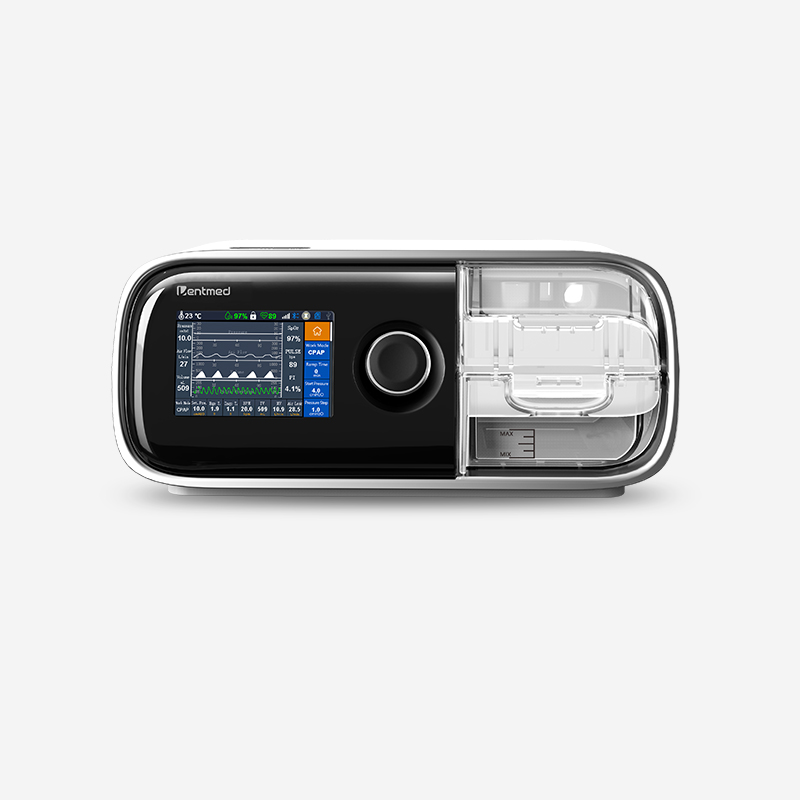
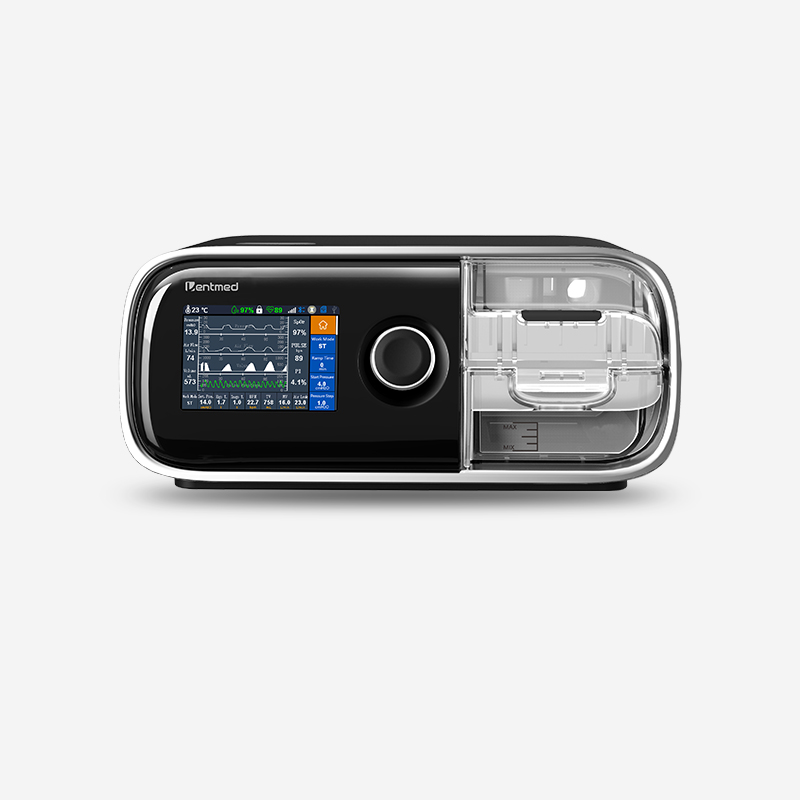
Non Invasive Ventilation is one tool that can be used to assist people with their breathing when they're struggling. It is a specific form of treatment that involves using a mask or nasal prongs instead of a tube in the mouth. In this article we'll look at how using non-invasive qhov cua can actually be beneficial for patients and why it is just so important to respiratory care.
Non invasive ventilation is a treatment that can help people breathe more easily when they do not want a tube down their throat. That can make things a lot more comfortable for the patient and reduce his or her level of anxiety. It may also help minimize the risk of infections, because a tube is not placed inside the lungs.
Non Invasive Ventilation therapy has a variety of benefits. One of the greatest advantages is that it can actually improve a patient’s oxygen level. This is something that can make them feel better and that can energize them, you know. It may also reduce the work of breathing, helping the patient to take in the air they require.
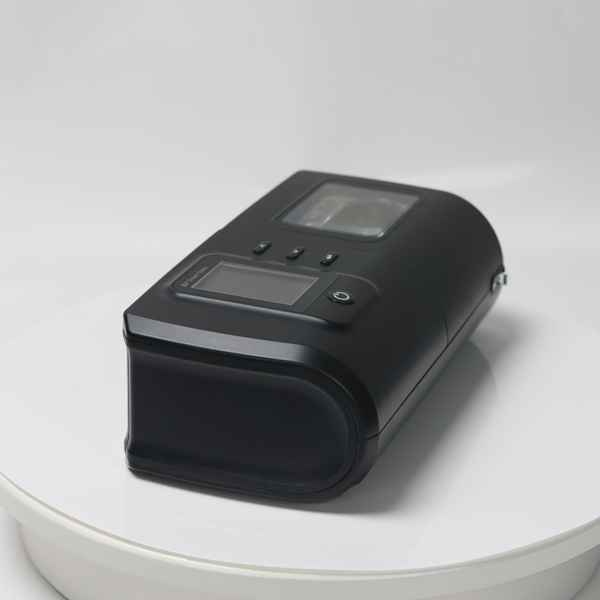
“Non Invasive Ventilation is a very useful part of respiratory management as it can benefit patients with many different types of breathing problems. It can be prescribed as a treatment for such problems as sleep apnea, chronic obstructive pulmonary disease (COPD), and pneumonia. The non-invasive cua tshuab can support patients to breathe more easily, and enjoy a better quality of life.
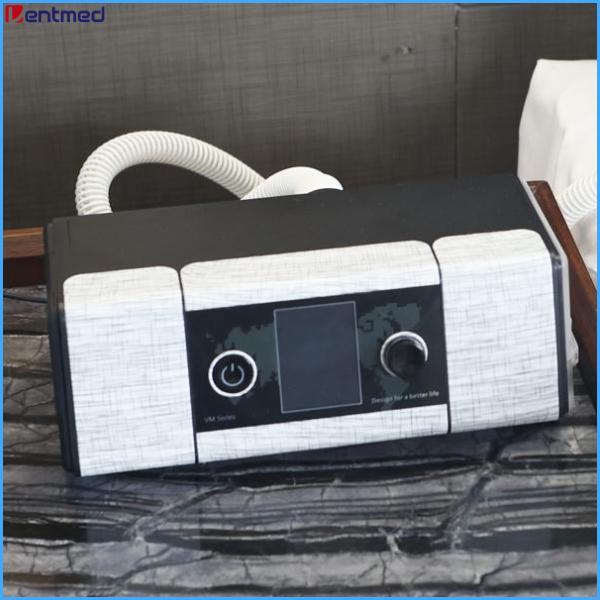
NON INVASIVE VENTILATION - A alternative, safer way to ventilate: NO tube is inserted through the mouth and into the lungs with NVI! This may help lower the chances of getting complications and infections. It can also be a more convenient choice for patients, facilitating their adherence to the therapeutic regimen.
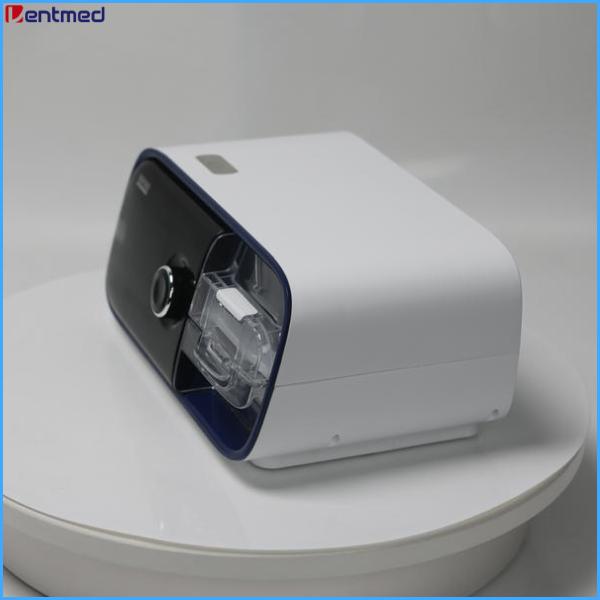
Healthcare professionals can assist in improving patient outcomes using non-invasive zoo siab qhov cua methodologies. This sort of treatment can prevent the need for invasive procedures and hospitalizations. It may also decrease the possibility of complications and enhance overall patient satisfaction.

 EN
EN  EN
EN AR
AR BG
BG CS
CS DA
DA FR
FR DE
DE EL
EL IT
IT PL
PL PT
PT RU
RU ES
ES ID
ID LT
LT SR
SR SK
SK SL
SL SQ
SQ ET
ET HU
HU TH
TH MS
MS MK
MK HY
HY AZ
AZ